How Does a Brushless Electric Motor Work? A Beginner's Guide
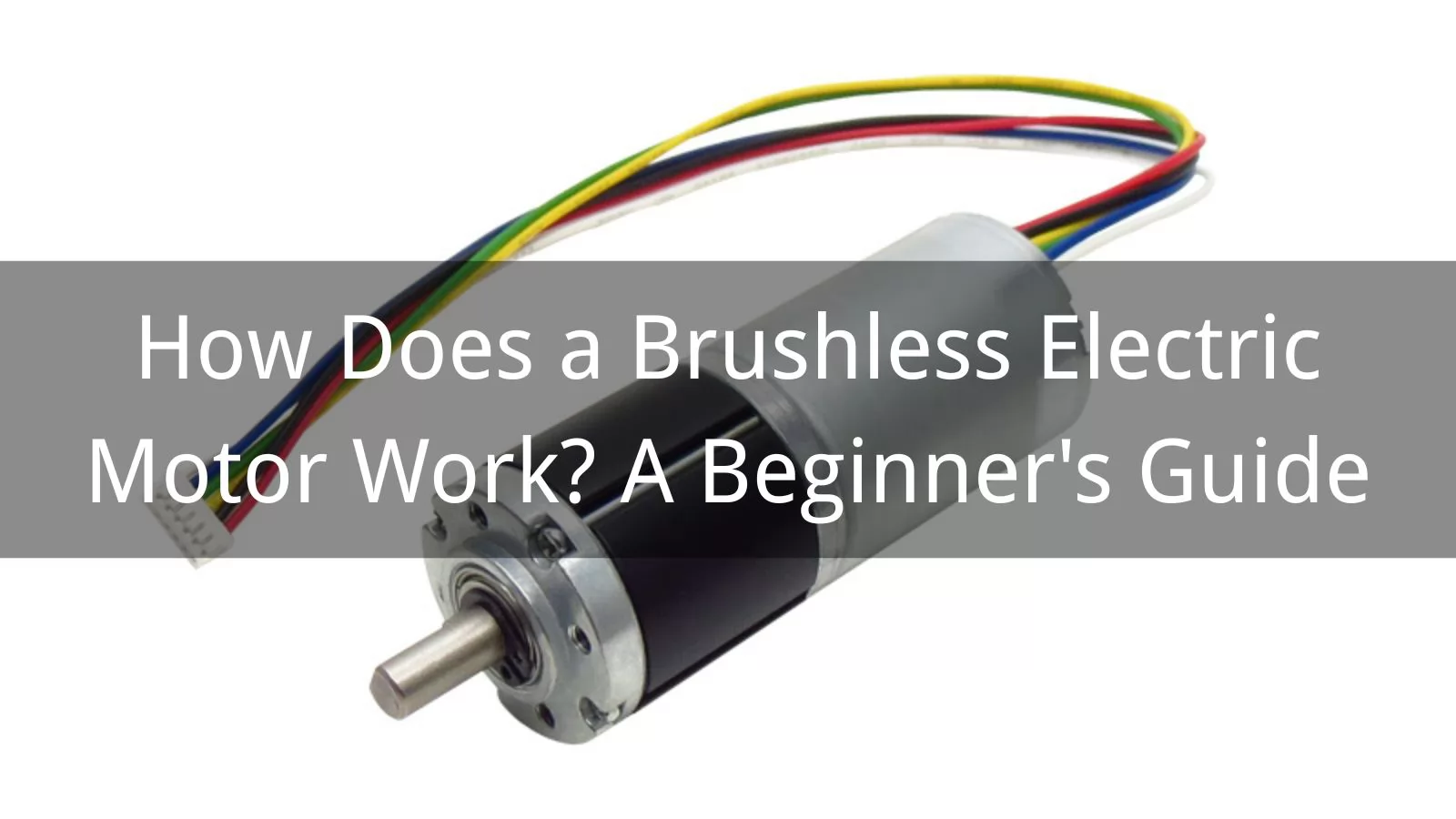
How does a brushless electric motor work, and why has it become a critical technology in modern industries? A brushless electric motor, commonly known as a BLDC motor, uses electronic commutation instead of mechanical brushes to generate motion. This advanced motor design delivers higher efficiency, longer service life, and precise speed control, making it ideal for applications such as electric vehicles (EVs), drones, robotics, industrial automation, and power tools.
Unlike traditional brushed motors, BLDC motors eliminate brush friction and sparking, resulting in lower maintenance requirements, reduced heat generation, and smoother, quieter operation. These advantages explain why brushless motors are increasingly replacing brushed motors in high-performance and mission-critical systems.
Understanding the working principle of a brushless electric motor helps engineers, product designers, and business decision-makers select the right motor solution for their applications. In this guide, we will clearly explain how a BLDC motor works, its key components, performance advantages, and real-world applications, giving you practical insight to choose a reliable and efficient motor for your project.
What Is a Brushless Electric Motor?
A brushless electric motor, commonly known as a BLDC motor (Brushless DC Motor), is an advanced type of electric motor that operates without mechanical brushes or a traditional commutator. Instead of relying on physical contact, a brushless motor uses an electronic speed controller (ESC) to precisely regulate current flow to the stator windings, generating a controlled rotating magnetic field that drives the permanent-magnet rotor.
By eliminating brushes, a brushless electric motor significantly reduces friction, electrical noise, and energy loss. This results in higher efficiency, greater power density, smoother torque output, and a longer service life compared to brushed motors. Additionally, electronic commutation enables accurate speed and torque control across a wide operating range.
Thanks to these advantages, BLDC motors are widely used in drones, electric vehicles (EVs), robotics, industrial automation, HVAC systems, and power tools, where reliability, efficiency, and precise motion control are critical. Understanding what a brushless electric motor is—and how its electronic commutation works—provides a strong foundation for selecting energy-efficient motor solutions in modern engineering and industrial applications.
How Does a Brushless Electric Motor Work?
A brushless electric motor, commonly known as a BLDC motor, operates by using permanent magnets and electronic commutation instead of mechanical brushes. In a brushless motor, an electronic speed controller (ESC) precisely supplies current to the stator windings in a timed sequence, creating a rotating magnetic field. This magnetic field continuously pulls the rotor magnets, generating smooth and efficient rotational motion.
Unlike brushed motors that rely on physical contact, the brushless motor working principle eliminates friction and sparking, resulting in higher efficiency, lower heat generation, and longer service life. Because of their quiet operation, precise speed control, and high torque-to-weight ratio, brushless electric motors are widely used in electric vehicles (EVs), drones, robotics, industrial automation systems, and power tools.
Understanding how a brushless electric motor works helps engineers and buyers select the right BLDC motor solution for high-performance, energy-efficient, and low-maintenance applications.
Key Components of a Brushless Electric Motor
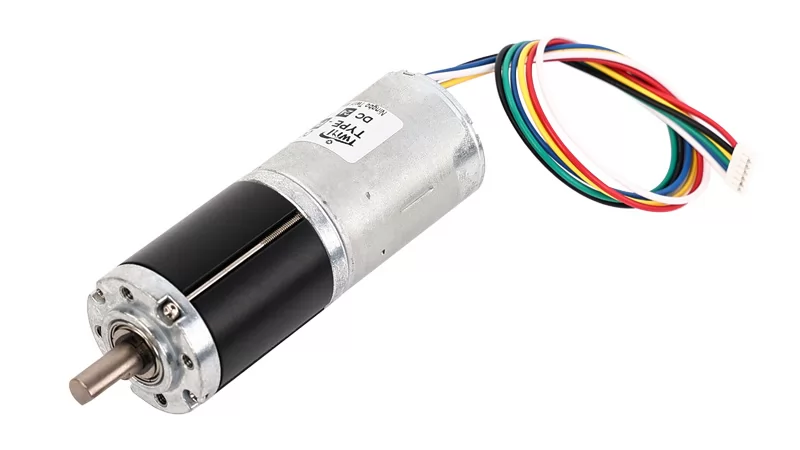
A brushless electric motor (BLDC motor) is composed of several precisely engineered components that work together to deliver high efficiency, reliability, and precise control. At its core, the stator consists of copper windings arranged in multiple phases. When energized by the controller, these windings generate a rotating magnetic field that drives the motor’s operation.
The rotor, positioned inside or around the stator, is fitted with high-strength permanent magnets. As the magnetic field in the stator changes, the rotor follows this field and produces continuous rotational motion without physical contact, which is a key reason why brushless motors experience less wear than brushed motors.
An essential element of any BLDC system is the Electronic Speed Controller (ESC). The ESC manages electronic commutation, precisely controlling the timing and sequence of current supplied to the stator windings. This enables smooth torque output, accurate speed regulation, and improved energy efficiency across a wide operating range.
Depending on the design, a brushless electric motor may also use Hall-effect sensors or sensorless back-EMF detection to determine the rotor’s position. Sensor-based systems provide stable low-speed performance, while sensorless designs reduce complexity and are ideal for high-speed applications.
Together, these core BLDC motor components—stator, rotor, ESC, and feedback system—eliminate mechanical brushes, significantly reducing friction, heat generation, and maintenance requirements. Understanding the function of each component helps explain how a brushless electric motor works and why BLDC motors are widely used in drones, electric vehicles, robotics, and industrial automation systems.
How Does a Brushless Electric Motor Work? A Step-by-Step Explanation
-
Power Supply and Electronic Controller Activation
The operation of a brushless electric motor (BLDC motor) begins when electrical power is delivered through an electronic speed controller (ESC). Unlike traditional brushed motors, which rely on mechanical contact, the ESC digitally regulates current flow. By precisely controlling voltage, frequency, and phase sequence, the ESC determines how a brushless electric motor works, enabling smooth startup, accurate speed control, and efficient torque output.
-
Rotating Magnetic Field Generation in the Stator
Once energized, the stator windings are activated in a specific sequence, creating a rotating magnetic field. This electromagnetic process is fundamental to the brushless motor working principle. The stator’s continuously changing magnetic polarity replaces mechanical commutation, forming the driving force that guides rotor movement with minimal energy loss.
-
Rotor Interaction and Torque Production
The rotor, equipped with high-strength permanent magnets, responds instantly to the stator’s rotating magnetic field. As the magnetic poles align and realign, torque is generated, causing the rotor to spin. This synchronized interaction clearly illustrates how a brushless electric motor works, delivering higher efficiency, faster response, and improved power density compared to brushed motors.
-
Feedback and Rotor Position Sensing
For precise timing and stable operation, brushless motors rely on Hall-effect sensors or sensorless back-EMF detection to monitor rotor position. This real-time feedback allows the ESC to adjust phase switching accurately. Understanding this closed-loop control is essential to explaining how a BLDC motor works in demanding applications such as drones, electric vehicles, robotics, and industrial automation.
-
Continuous Electronic Commutation and Energy Efficiency
This process repeats continuously as the ESC performs rapid electronic commutation, maintaining constant rotation without physical brushes. Eliminating mechanical friction and electrical sparking significantly improves efficiency, reduces heat generation, and extends motor lifespan. This is why brushless electric motors are widely recognized for quiet operation, high reliability, and superior energy efficiency compared to traditional brushed motors.
Advantages of Brushless Electric Motors
Brushless electric motors offer a wide range of advantages over traditional brushed motors, making them a preferred solution in modern industrial and consumer applications. One of the most important benefits of a brushless electric motor is its high efficiency. By using electronic commutation instead of mechanical brushes, BLDC motors significantly reduce energy loss, resulting in higher power output and improved energy savings. This makes them ideal for electric vehicles, drones, robotics, and power tools, where efficiency directly impacts performance and operating cost.
Another key advantage is the long service life and low maintenance. Since brushless motors eliminate physical brushes and commutators, there is minimal mechanical wear, fewer failure points, and more stable long-term operation. This not only reduces downtime but also lowers maintenance costs for industrial systems and automation equipment.
Brushless motors also deliver a higher torque-to-weight ratio, allowing engineers to design compact yet powerful motor systems. Combined with precise speed and torque control from an electronic speed controller (ESC), brushless DC motors are well-suited for applications that require accuracy, responsiveness, and smooth operation.
In addition, quiet operation and reduced heat generation make brushless electric motors a reliable choice for medical devices, home appliances, and high-precision robotic systems. By understanding the advantages of brushless electric motors, manufacturers, engineers, and hobbyists can select more efficient, durable, and sustainable motor solutions for a wide range of applications.
Applications of Brushless Electric Motors
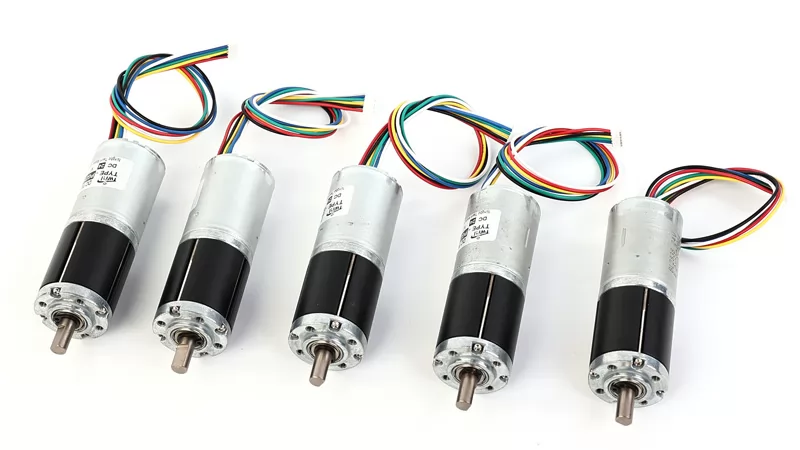
Brushless electric motors (BLDC motors) are widely used across multiple industries due to their high efficiency, precise control, and long service life. As demand grows for energy-saving and low-maintenance solutions, brushless motor applications continue to expand.
In electric vehicles (EVs), brushless DC motors provide high torque density, fast acceleration, and excellent energy efficiency, helping extend driving range while reducing power losses. These advantages make BLDC motors a core component in modern EV propulsion systems.
In drones, UAVs, and RC vehicles, brushless motors are favored for their lightweight design, rapid response, and stable speed control, enabling longer flight times and smoother maneuverability. Their electronic commutation ensures reliable performance even at high speeds.
Industrial automation and robotics also rely heavily on brushless electric motors. Their low maintenance requirements, minimal heat generation, and precise motion control make them ideal for robotic arms, conveyors, and CNC machinery operating in continuous duty cycles.
Additionally, home appliances and power tools increasingly adopt brushless motors to achieve quieter operation, higher efficiency, and extended product lifespan. From washing machines to cordless drills, BLDC technology enhances both user experience and energy savings.
From automotive and aerospace to consumer electronics and industrial systems, understanding the diverse applications of brushless electric motors helps engineers and businesses select the right motor solution for performance, reliability, and efficiency.
Frequently Asked Questions (FAQ)
1.What are brushless electric motors commonly used for?
Brushless electric motors are commonly used in electric vehicles, drones, industrial automation, robotics, power tools, and home appliances. Their high efficiency, precise speed control, and low maintenance requirements make them ideal for both industrial and consumer applications.
2.Why are brushless motors preferred in electric vehicles?
Brushless DC motors are preferred in electric vehicles because they offer high torque density, excellent energy efficiency, and longer operational life. These advantages help improve driving range, reduce energy loss, and enhance overall vehicle performance.
3.Are brushless motors better than brushed motors for industrial applications?
Yes. Compared with brushed motors, brushless motors provide higher efficiency, less wear, quieter operation, and minimal maintenance, making them more suitable for continuous-duty industrial automation and robotic systems.
4.Why do drones and UAVs use brushless motors?
Drones and UAVs use brushless motors because they deliver fast response, lightweight design, stable high-speed operation, and longer flight time. Electronic commutation ensures precise control, which is essential for aerial stability and maneuverability.
5.Do brushless electric motors require maintenance?
Brushless electric motors require very little maintenance since they have no brushes to wear out. In most cases, only bearing inspection and cooling system checks are needed, resulting in lower long-term operating costs.
Conclusion: Why Understanding Brushless Motor Working Principles Matters
Understanding how a brushless electric motor works is essential for engineers, product designers, and businesses aiming to achieve higher efficiency, precision, and long-term reliability. By mastering the brushless motor working principle, including electronic commutation, rotor–stator interaction, and ESC control, you can confidently select the right BLDC motor for demanding applications.
From electric vehicles and drones to robotics and industrial automation, brushless DC motors deliver superior efficiency, higher torque density, and significantly lower maintenance compared to brushed motors. Their advanced design not only improves performance but also reduces energy loss and system downtime.
As brushless motor technology continues to shape the future of motion control, choosing a reliable motor partner becomes even more important. Ready to optimize your application with high-performance brushless motors?
Contact our team today to explore customized BLDC motor solutions tailored to your specific requirements.
0
Comments
Leave a Comment
Your email address will not be published. Required fields are marked *
Name can't be empty
Email error!
Message can't be empty
😍
😜
😳
😌
😄
😘
😝
😒
😃
😚
😚
😛
😟
😧
😀
😉
😓
😱
😤
😣
😂
😥
😩
😠
😢
😭
😰
😨
😡
😆
😪
😅
😐
😇
😋
😴
👿
😕
😏
😷
😵
😟
😮
😯
😑
👧
👴
😧
😬
😾
👶
👱
👵
👸
🙀
👺
👦
👩
👨
😽
😿
🙈
💩
💥
💤
😼
😹
🙉
🔥
✨
💦
👎
✌
👆
👈
💪
💹
👍
👊
💴
💶
💷
💸
👉
💵
🙏
🌎
🏧
👏
💳
👇
💑
🙆
🙅
💁
👫
👭
🙎
🙇
👑
👔
Submit Comment
Most Popular
-
 Aug 22, 2025How Does a Brushless Electric Motor Work? A Beginner's Guide
 -
 Sep 16, 2025Top 10 DC Motor Manufacturers in China 2025
 -
 Aug 21, 2025Which Motor Is Best for Electric Vehicle? A Complete Guide for 2025
 -
 Sep 05, 2025Top 10 Gear Motor Manufacturers in India 2025


Laster Blogs


Set A Consultation Today
Name can't be empty
Email error!
Send Your Message
*We respect your confidentiality and all
information are protected.


