Top 5 Korean Brushless DC Motor Suppliers for Robotics, Medical & Precision Automation
Jul 03, 2026
Toosyn

South Korea's electric motor industry combines deep manufacturing heritage — much of it rooted in the country's electronics and home appliance sector — with a growing focus on precision robotics, medical device components, and defense-grade propulsion systems. For procurement teams sourcing brushless DC (BLDC) motors for robotics platforms, medical equipment, or automated machinery, this guide profiles five established Korean manufacturers, covering their history, headquarters, and core competencies to help narrow down a shortlist for supplier evaluation.
| 1. Newmotech Co., Ltd. | 2. DAEHWA E/M Co., Ltd. |
| 3. Motor-net International Co., Ltd. (MNI) | 4. KRM Co., Ltd. |
| 5. SAEHAN Electronics Co., Ltd. |
1. Newmotech Co., Ltd.
Established: September 2001
Headquarters: Gwangsan-gu, Gwangju, South Korea
Main Products: Washing machine motors, air conditioner motors, refrigerator motors, resin pack motors, BLDC motors, electric vehicle motors
Company Overview: Newmotech was spun out from Samsung Electronics' in-house motor division in 2001, inheriting more than three decades of accumulated motor engineering know-how. The company built its reputation manufacturing high-volume home appliance motors before expanding into brushless DC motors and, more recently, electric vehicle motor components. For buyers evaluating BLDC motor suppliers in Korea, Newmotech is a relevant reference point for large-scale production capability, RoHS/REACH-compliant manufacturing, and a track record of consistent export performance across Asia and the Middle East. It's a strong fit for buyers whose projects require proven mass-production discipline alongside brushless motor development.
2. DAEHWA E/M Co., Ltd.
Established: 1993
Headquarters: Ansan-si, Gyeonggi-do, South Korea
Main Products: DC geared motors, AC geared motors, BLDC geared motors, motor controllers
Company Overview: DAEHWA E/M has specialized in small motors and reducers since 1993, building particular depth in BLDC motors and controllers for medical equipment applications, including motors used in medical beds and precision dosing systems. The company holds ISO 9001, ISO 14001, CE, UL, and KGS explosion-proof certifications, which makes it a relevant candidate for procurement teams sourcing brushless motors for regulated medical devices or safety-critical equipment. Its flexible production system also supports custom motor configurations rather than only standard catalog products, which is useful for buyers with non-standard mounting, shaft, or control requirements.
3. Motor-net International Co., Ltd. (MNI)
Established: Originated from the Precision Machinery Research Center at the Korea Electronics Technology Institute (KETI)
Headquarters: Bucheon Techno Park, Wonmi-gu, Bucheon-si, Gyeonggi-do, South Korea
Main Products: AC motors, BLDC motors, step motors, motor controllers, gear heads
Company Overview: Motor-net International's background as a spinoff from a government-affiliated research institute distinguishes it from typical commercial motor manufacturers. As one of Korea's early venture companies focused specifically on small precision motors, MNI brings an engineering-first approach to BLDC and AC geared motor development, with particular strength in motion control applications that demand tight tolerances. Buyers looking for a Korean BLDC motor supplier with a research-driven technical background — rather than pure volume manufacturing — may find MNI a useful option to evaluate alongside larger-scale suppliers.
4. KRM Co., Ltd.
Established: 1998 (listed on KOSDAQ in 2007)
Headquarters: Seoul, South Korea, with a vertically integrated manufacturing facility in Gumi
Main Products: BLDC motors, adaptive ESCs, custom propellers, and propulsion systems for UAVs and robotics
Company Overview: KRM is a publicly listed Korean technology company with more than two decades of motor design experience, and it has become one of the more focused suppliers in this list for robotics and unmanned systems specifically. The company designs and manufactures BLDC motors, electronic speed controllers, and propellers in-house, with vertically integrated magnet manufacturing and ISO 9001/14001-certified production. KRM's propulsion systems are used in UAV platforms and quadrupedal ground robots for industrial, defense, and homeland security applications, making it a strong candidate for buyers building high-performance robotics or unmanned mobility platforms that need mission-specific propulsion engineering rather than off-the-shelf motors.
5. SAEHAN Electronics Co., Ltd.
Established: Over two decades of specialized manufacturing experience
Headquarters: Sunghwan-eup, Cheonan-city, South Korea
Main Products: Hybrid stepping motors, BLDC motors, CNC precision-machined motor components
Company Overview: SAEHAN Electronics differentiates itself through in-house CNC precision machining capability, which it applies to its own motor component production rather than outsourcing critical parts. This vertical integration can be an advantage for buyers who need tight-tolerance custom motor components alongside standard BLDC and stepping motor products. For procurement teams evaluating suppliers on manufacturing control and precision machining depth — rather than brand recognition alone — SAEHAN is worth including in a supplier comparison.
Bonus: Toosyn — A China-Based Alternative for Robotics & Medical BLDC Motors
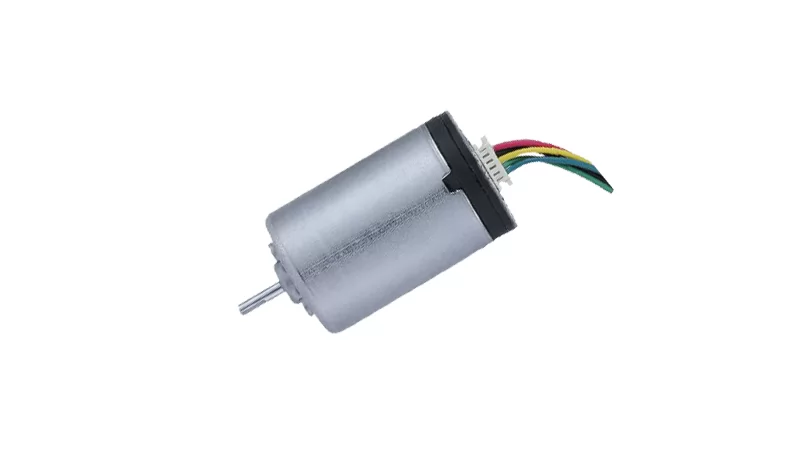
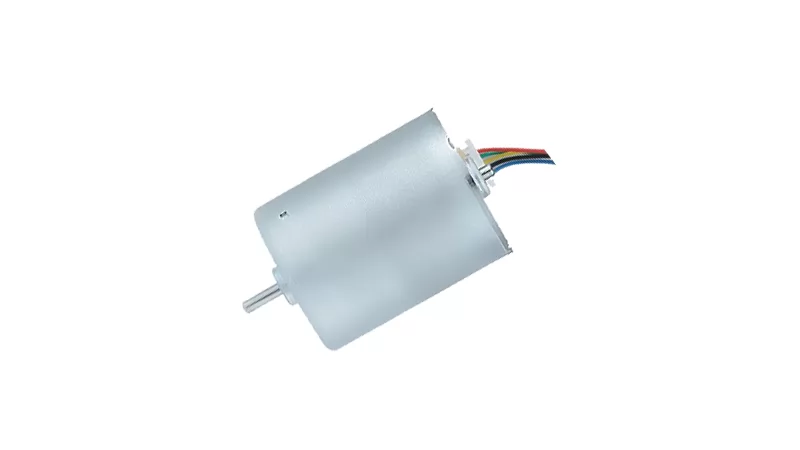
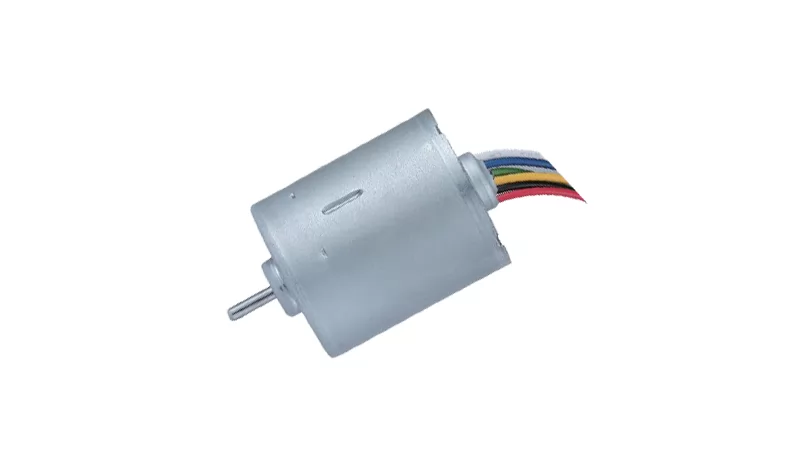
Buyers comparing Korean suppliers may also want to evaluate Toosyn, a China-based BLDC motor manufacturer headquartered in Ningbo. Toosyn specializes in compact brushless DC motors ranging from 16mm to 32mm in diameter, purpose-built for robotics, medical devices, and precision automation — the same core applications covered by the Korean suppliers above. The company holds over 200 motor technology patents and operates ISO-certified production, offering buyers an alternative sourcing route that combines competitive pricing with engineering support for custom motor development, encoder integration, and gearbox pairing. For projects where cost efficiency matters alongside precision, Toosyn is worth including in a side-by-side supplier comparison. Please contact Toosyn via email to discuss your BLDC motor requirements.
Recommended Toosyn BLDC Motor Products
The following Toosyn products are commonly selected for robotics, medical device, and precision automation applications discussed in this guide:
Frequently Asked Questions
What is the difference between Korean and Chinese BLDC motor manufacturers?
Korean BLDC motor manufacturers generally emphasize precision engineering heritage and certification depth, often built on decades of electronics or automotive component experience. Chinese manufacturers such as Toosyn typically offer more competitive pricing and faster custom development cycles while still meeting ISO and CE certification standards, making them a common choice for buyers who need to balance quality with cost control.
How do I choose a BLDC motor supplier for a robotics project?
Prioritize suppliers with direct experience in robotics or unmanned systems rather than general-purpose motor manufacturers, since robotics applications typically demand higher precision, lower noise, and tighter thermal tolerances. Check for relevant certifications (ISO 9001/14001), request sample torque and efficiency curves, and confirm the supplier can support custom shaft, encoder, and gearbox configurations.
What certifications should a medical-grade BLDC motor supplier have?
At minimum, look for ISO 9001 and ISO 14001 certification. For motors used in regulated medical devices, CE marking and, depending on the target market, ISO 13485 compliance (or evidence the supplier has previously supplied CE/UL-certified medical equipment manufacturers) are important additional checkpoints.
What size BLDC motors are typically used in robotics and medical devices?
Robotics joints, small medical devices, and precision instruments commonly use compact BLDC motors in the 16mm to 32mm diameter range, prioritizing low noise, long service life, and precise speed control over raw power output. Larger-diameter motors are generally reserved for heavier-duty industrial or automotive applications.
Can Korean and Chinese BLDC motor suppliers support custom motor development?
Most established suppliers, including those profiled in this guide and manufacturers like Toosyn, offer custom development services covering motor sizing, encoder integration, gearbox pairing, and control electronics. Buyers should share full application requirements — including torque, speed range, operating environment, and duty cycle — early in the sourcing conversation to get an accurate custom quote.
Choosing the Right BLDC Motor Supplier for Your Application
Korean BLDC motor manufacturers span a wide range of specializations, from Newmotech's high-volume appliance motor production to KRM's mission-specific robotics propulsion systems. When comparing suppliers for robotics, medical devices, or precision automation projects, procurement teams should weigh certification coverage (ISO 9001/14001, medical-grade certifications), customization flexibility, minimum order quantities, and whether the supplier's core specialization actually matches the target application — a motor supplier optimized for washing machines will not necessarily have the same engineering depth in low-noise, high-precision motors that robotics and medical applications require.
0
Comments
Leave a Comment
Your email address will not be published. Required fields are marked *
Name can't be empty
Email error!
Message can't be empty
😍
😜
😳
😌
😄
😘
😝
😒
😃
😚
😚
😛
😟
😧
😀
😉
😓
😱
😤
😣
😂
😥
😩
😠
😢
😭
😰
😨
😡
😆
😪
😅
😐
😇
😋
😴
👿
😕
😏
😷
😵
😟
😮
😯
😑
👧
👴
😧
😬
😾
👶
👱
👵
👸
🙀
👺
👦
👩
👨
😽
😿
🙈
💩
💥
💤
😼
😹
🙉
🔥
✨
💦
👎
✌
👆
👈
💪
💹
👍
👊
💴
💶
💷
💸
👉
💵
🙏
🌎
🏧
👏
💳
👇
💑
🙆
🙅
💁
👫
👭
🙎
🙇
👑
👔
Submit Comment
Most Popular
-
 Aug 21, 2025Which Motor Is Best for Electric Vehicle? A Complete Guide for 2026
 -
 Oct 16, 2025Top 10 DC Motor Manufacturers in China 2026
 -
 Dec 18, 2025The Ultimate Buyer's Guide to High Torque DC Motors
 -
 Apr 11, 2026Top 10 China Gear Motor Manufacturer in 2026


Laster Blogs
-
 Aug 20, 2026Why Planetary Gear Motors Offer Low Backlash for Precision Positioning
 -
 Aug 19, 2026Planetary Gear Ratio Calculation: How to Calculate the Right Gear Ratio for Your Motor
 -
 Aug 18, 2026Planetary Gearbox vs Spur Gearbox: Why Planetary Wins in Compact High-Torque Applications
 -
 Aug 17, 2026What Is a Planetary DC Gear Motor and How Does It Work?


Set A Consultation Today
Name can't be empty
Email error!
Send Your Message
*We respect your confidentiality and all
information are protected.


